More
Behind
the beans
Want to know more about Oh Mungood? Explore our articles and come behind the scenes, meet the people, the ideas and the passion behind our work and our vision of making clean, nutritious and really good food available to more people.
 The crop
The bean
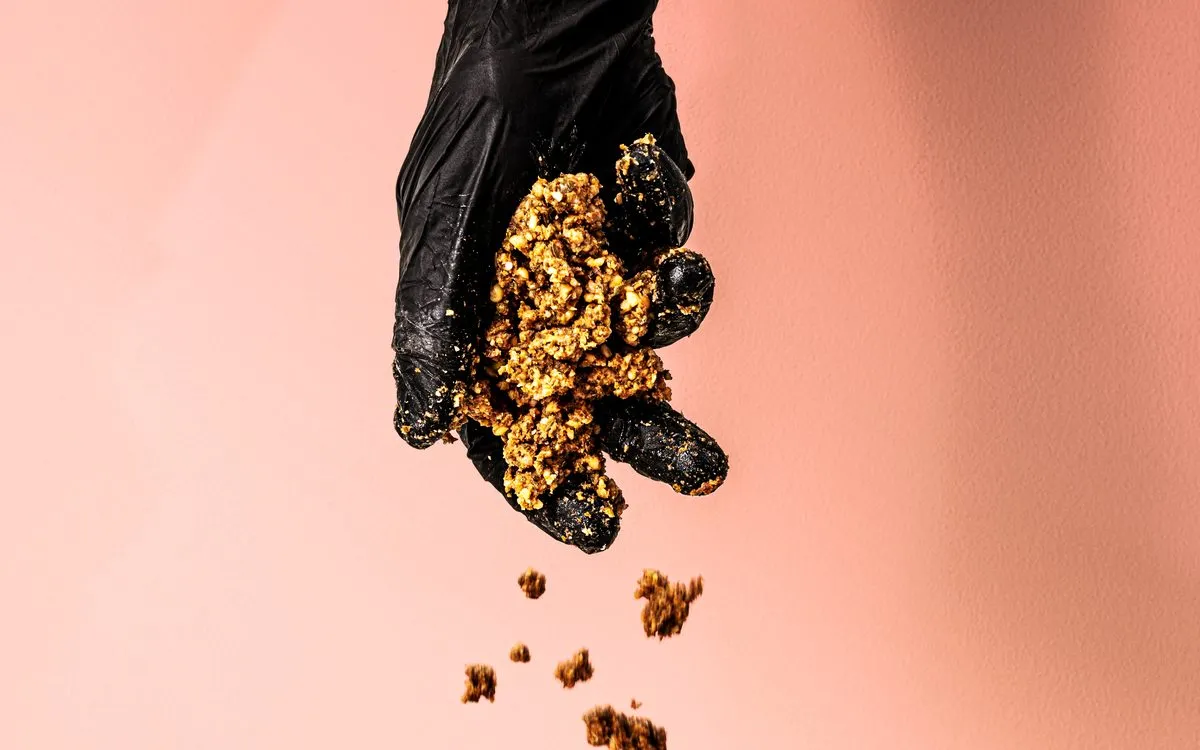
The mung bean is at the heart of everything we make. It has been the base of our original recipe from the start and is, if you ask us, the secret behind the award-winning texture and taste of our products. That research also points to the mung bean as a promising protein crop only makes us more convinced of its potential to take a natural place in our kitchens.
Read more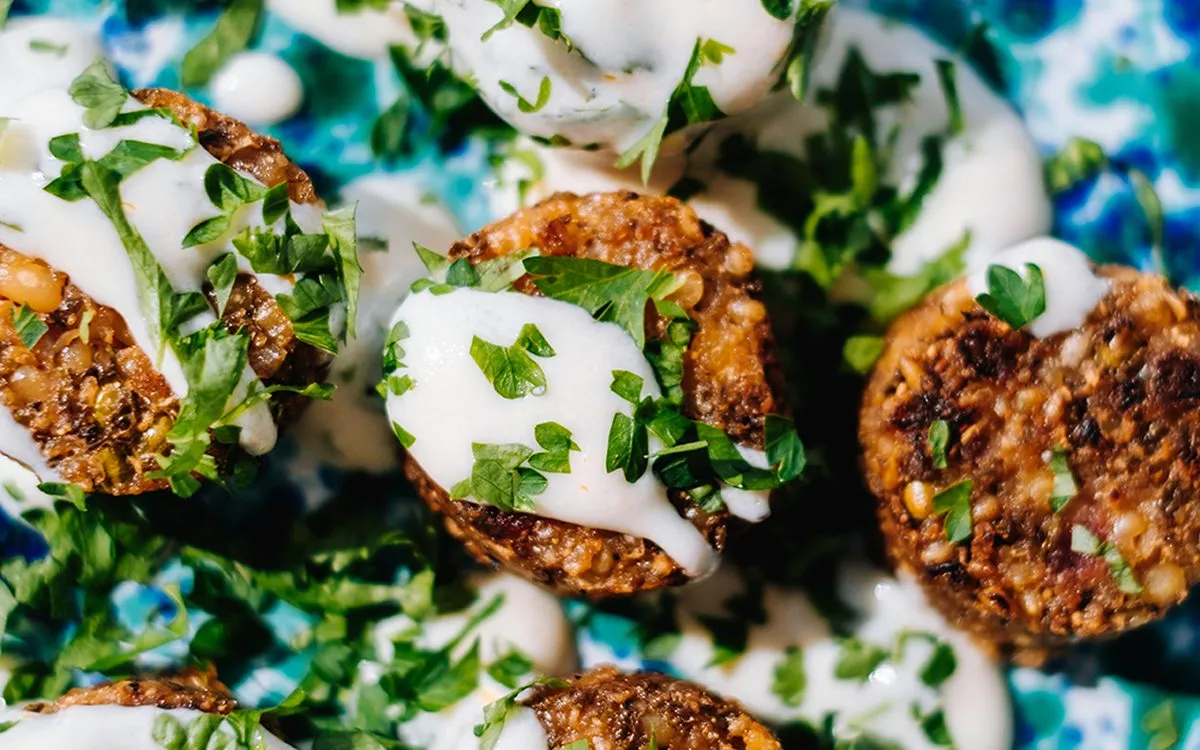 The content
Nutrition
We work with whole ingredients, high-quality protein, clean content and good fibre. The nutrition in our products keeps you full for longer and is gentle on the stomach.
Read more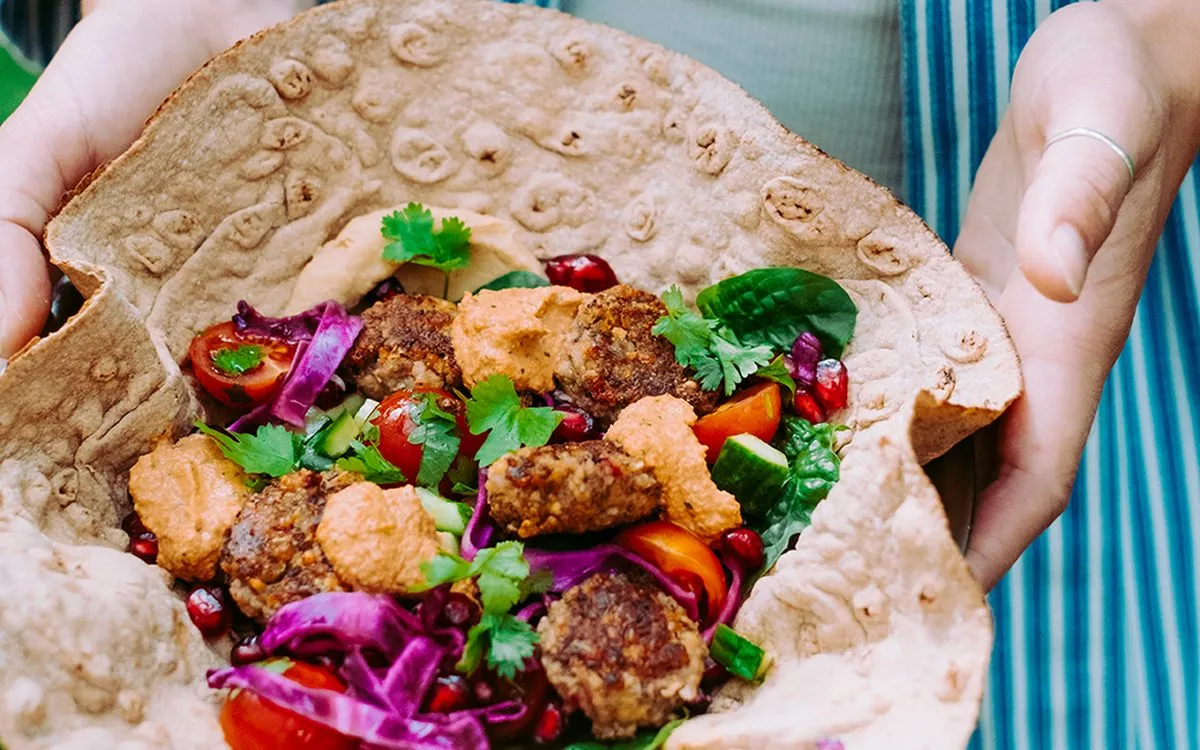 The responsibility
Sustainability
For us, sustainability goes without saying. With plant-based products and organic ingredients at the centre, we want to contribute to the shift towards a more plant-based diet. Our ambition is to make it easier, tastier and more inspiring to choose food that is good for people, animals and the planet alike.
Read more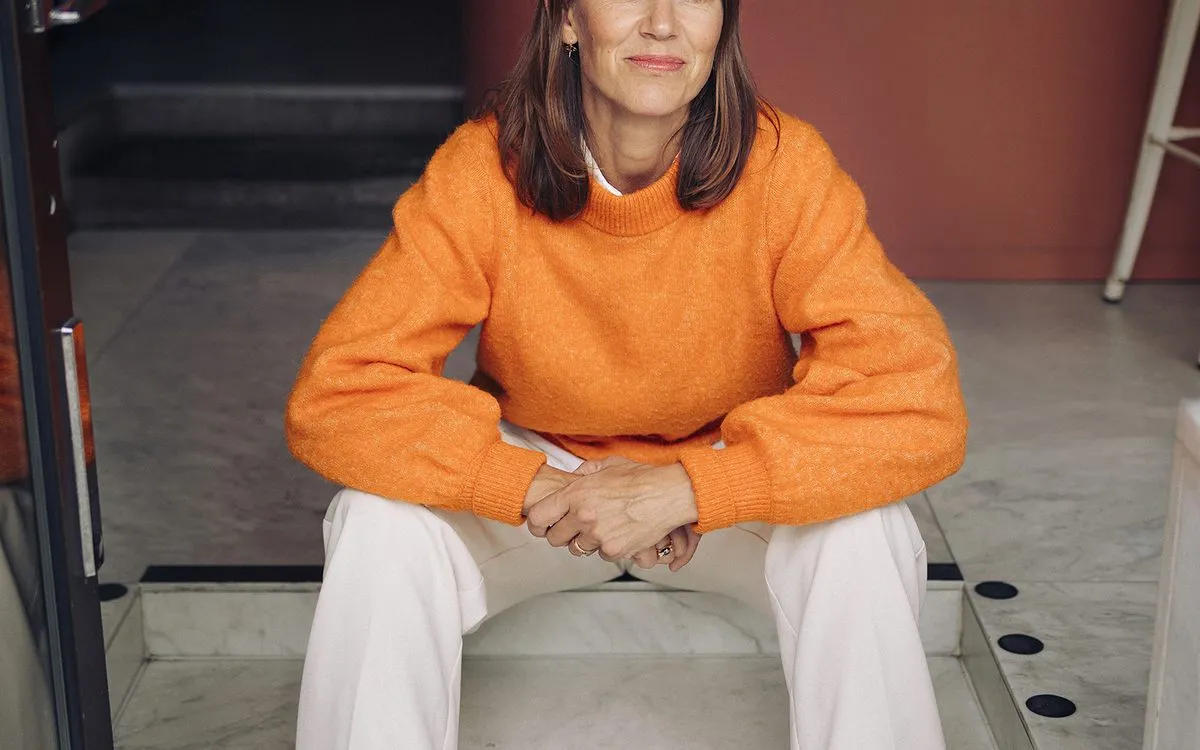 The origin
Our story
It begins in Orsa, a village in Dalarna, with a burger that gathers ingredients from different parts of the world. From Torbjörn’s idea to Caroline’s determination to take it out into the world.
Read more
Cravebut nevercompromise.
Questions and answers
Frequently asked questions
- What is a mung bean?
- The mung bean is a small green legume that has been grown in Asia for thousands of years. In Sweden many know it as the bean sprouts in the vegetable aisle. But the mung bean has far more to offer. Whole and cooked, it has a mild, nutty flavour and a fine, firm texture. It also has natural properties that let it hold food together without added binders. The bean
- Where is the mung bean grown?
- The mung bean originates in Asia, where the climate suits it well. That is also where we look first for our raw material, although the country of cultivation can vary. At the same time we keep a close eye on the possibility of finding growers closer to home. In the longer term we see potential for growing mung beans of the same high quality in Europe as well. Growing mung beans in Sweden, on the other hand, is difficult as things stand. The mung bean is a short-day plant, which means it responds to day length. The long summer days at our latitude make it challenging to create the right conditions for the crop. But a raw material grown far away does not automatically mean a large climate footprint. Our mung beans are shipped dry by sea, which gives a low climate footprint per kilo of raw material. In many cases it can therefore be more sustainable to grow a crop where it thrives naturally than to try to grow it in energy-hungry greenhouses or other systems that demand large amounts of energy. For us, sustainability is about seeing the whole picture, from how the raw material is grown to how it is transported and turned into really good food. The bean
- Why is the mung bean’s water footprint so low?
- It has a short growing cycle, as little as 50 days, and copes with poor soil where other crops struggle. Less time in the field means fewer days of irrigation. The bean
- What does the mung bean do for the soil?
- The mung bean fixes nitrogen from the air and so contributes to richer soil. That makes it a valuable crop in a rotation, because it can improve the conditions for the next crop and reduce the need for fertiliser. The bean
- How much protein does Oh Mungood contain?
- Our products contain 9.3–10 grams of natural protein per 100 grams, depending on the product. All of them are a natural source of protein, and our Organic Mung Bean Mince is particularly high in protein relative to its energy content. Nutrition
- Is it a complete protein?
- Mung bean and brown rice complement each other. The mung bean is low in methionine, which rice has plenty of; the rice is low in lysine, which the bean has plenty of. Together they cover the essential amino acids. Nutrition
- How much fibre do the products contain?
- Our products contain 5.4–6.0 grams of natural fibre per 100 grams. That gives them a rich fibre content, which makes them both nutritious and filling. Organic Mung Bean Mince also meets the criterion for high in fibre. Nutrition
- Do the products contain additives?
- No, our products contain no additives, binders, fillers or flavourings. We use simple, natural ingredients; mung bean, short-grain brown rice, onion, beetroot, salt, garlic and spices. Nutrition
- Are the products gluten free and soy free?
- Yes. The whole range is free from gluten and soy. Nutrition
- How much salt do the products contain?
- Our products contain 1.0–1.2 grams of salt per 100 grams, depending on the product. We use salt sparingly, to lift the natural flavours of the ingredients. The Swedish Food Agency recommends that adults have no more than 6 grams of salt a day. Nutrition
- Is Oh Mungood organic?
- Most of our range is certified organic: Organic Mung Bean Burger, Bits, Mince and Green Nuggets. Crunchy Mung Bean Burger is plant-based but not organic. Sustainability
- Where are the products made?
- In Sweden. We work with Vegofood in Simrishamn. Sustainability
- Why does organic matter to you?
- Organic farming means that chemical pesticides are not used and that fertiliser is avoided. That matters for biodiversity, for the environment and for the working conditions of the people who grow our raw materials. For us it is also about the food we eat, choosing ingredients with care and making good, nutritious food with clean content. Sustainability
- What makes the mung bean better for the climate?
- Lower carbon emissions and lower water use than soy, corn, wheat and rice, a growing cycle as short as 50 days, and the ability to fix nitrogen in the soil. Read more and see the figures on our page about the mung bean. Sustainability
- Who founded Oh Mungood?
- Oh Mungood was founded by Caroline Nilsson together with co-founder Lisa Laurell. The recipe originates with Torbjörn Johansson in Orsa, who created the first mung bean burger back in 1995. Our story
- Is Caroline related to Torbjörn?
- No, they are not related. The Johansson family bought Torbjörn’s burgers at the market hall in Orsa, and that is where Caroline tasted one for the first time. Our story
- When did Oh Mungood start?
- The company took shape in 2020 and the first product reached store shelves in 2021. Our story
Can’t find the answer?
Ask us
directly
We answer ourselves. Questions about ingredients, production, partnerships or where to find us, send us an email and we’ll get back to you.